How to Cut Bangs Korean Style Ideas: A Complete Guide for a Soft, Flattering Look
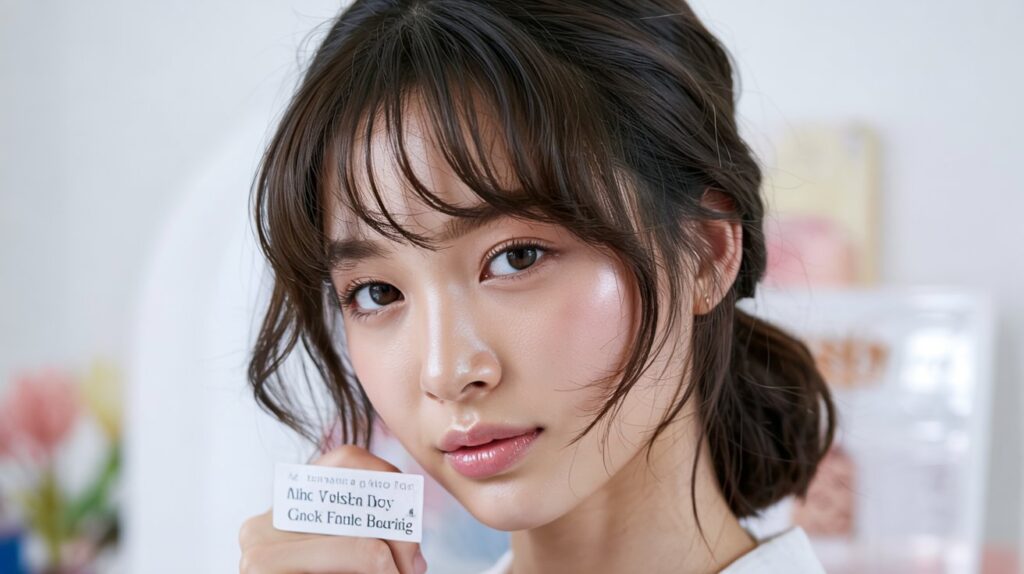
Korean beauty trends continue to dominate the global style scene, and one hairstyle that remains consistently in demand is the iconic Korean-style fringe. Soft, airy, lightweight, and effortlessly flattering, these bangs beautifully frame the face without appearing heavy or blunt. Whether you adore the romantic look of K-drama actresses or the fresh aesthetic seen in K-pop idols, learning how to cut bangs Korean style can completely transform your appearance.
This guide walks you through everything you need to know—from choosing the right type of Korean bangs to step-by-step cutting methods, styling tips, and additional Korean-inspired hair maintenance ideas. Perfect for beginners and DIY enthusiasts, this article will help you create salon-worthy results at home.
What Makes Korean-Style Bangs So Popular?
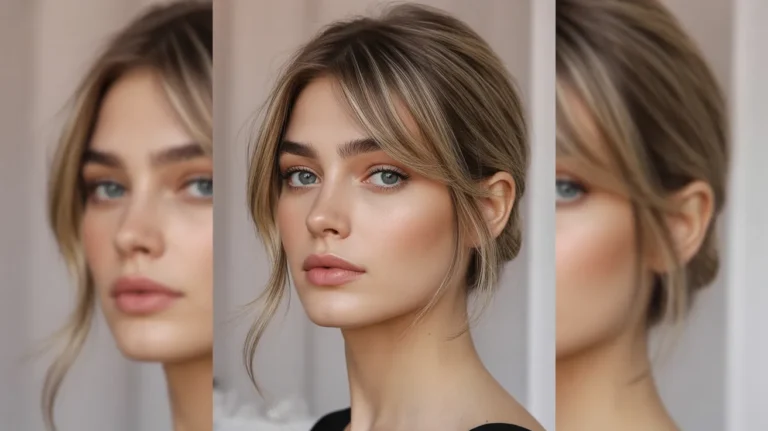
Korean bangs stand out because of their soft, wispy, face-framing effect. Unlike traditional straight-across fringes, Korean-style bangs blend seamlessly into the hairline, creating a youthful, airy finish. They also suit many face shapes—especially round, oval, and heart-shaped faces—because their feathered edges visually slim and elongate features.
For readers looking to explore more soft and flattering hairstyles, you may also love our guide on hairstyles with bangs, which breaks down dozens of modern fringe ideas.
Types of Korean-Style Bangs for Different Face Shapes
Before learning how to cut bangs Korean style, decide which type suits your face shape and lifestyle. Here are the most popular Korean fringe styles:
1. Air Bangs (See-Through Bangs)
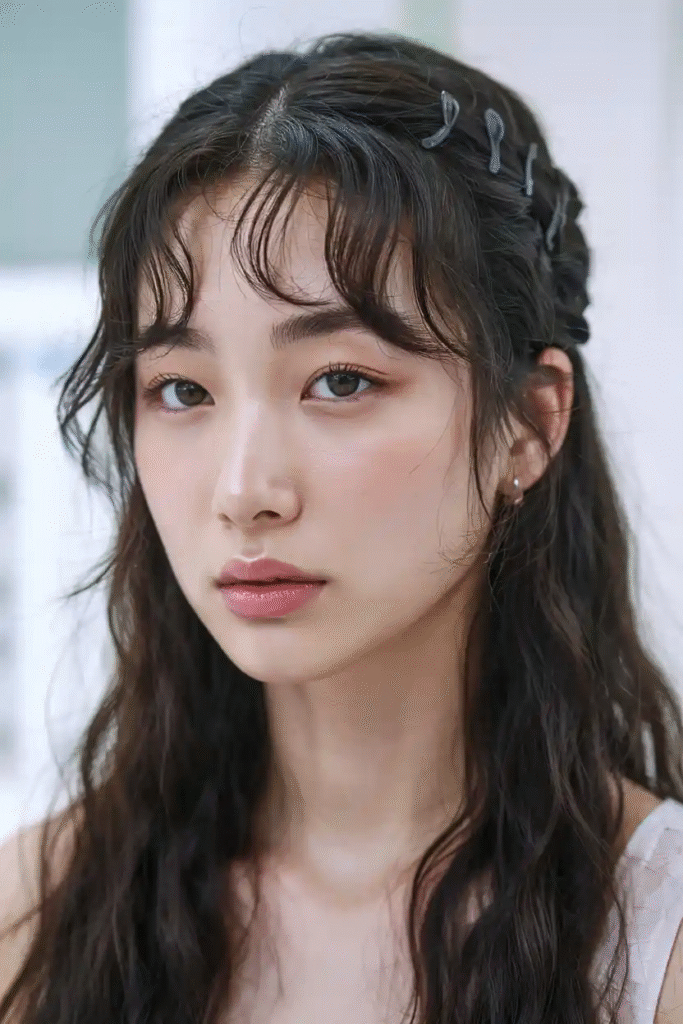
Air bangs are incredibly thin and wispy, offering a natural, barely-there look. They’re ideal for those who don’t want heavy commitment but want to soften the forehead.
2. Curtain Korean Bangs

These bangs part gently in the middle or slightly off-center, with longer side pieces framing the jawline. They’re easy to style and suit most face shapes. If you’re curious about styling curtain fringe, check out our helpful guide on curtain bangs styles—perfect for both men and women.
3. Crescent Bangs
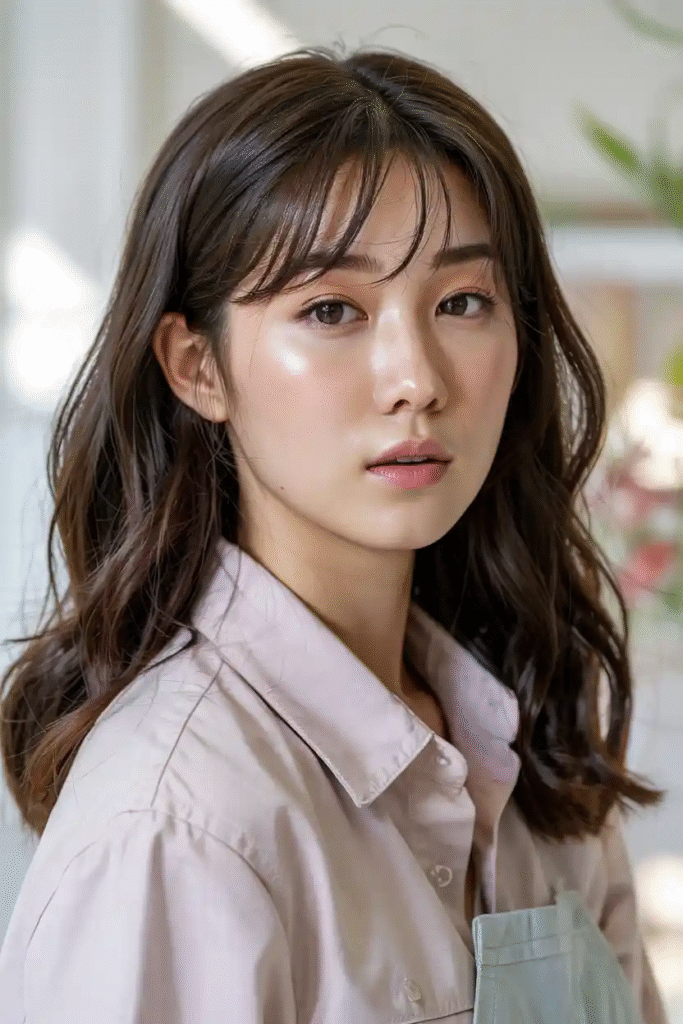
A rounded shape that’s shorter at the center and longer at the sides, giving the signature K-drama look.
4. Soft Layered Bangs

These blend seamlessly into layered hairstyles, offering a naturally voluminous effect.
5. Choppy Korean Bangs
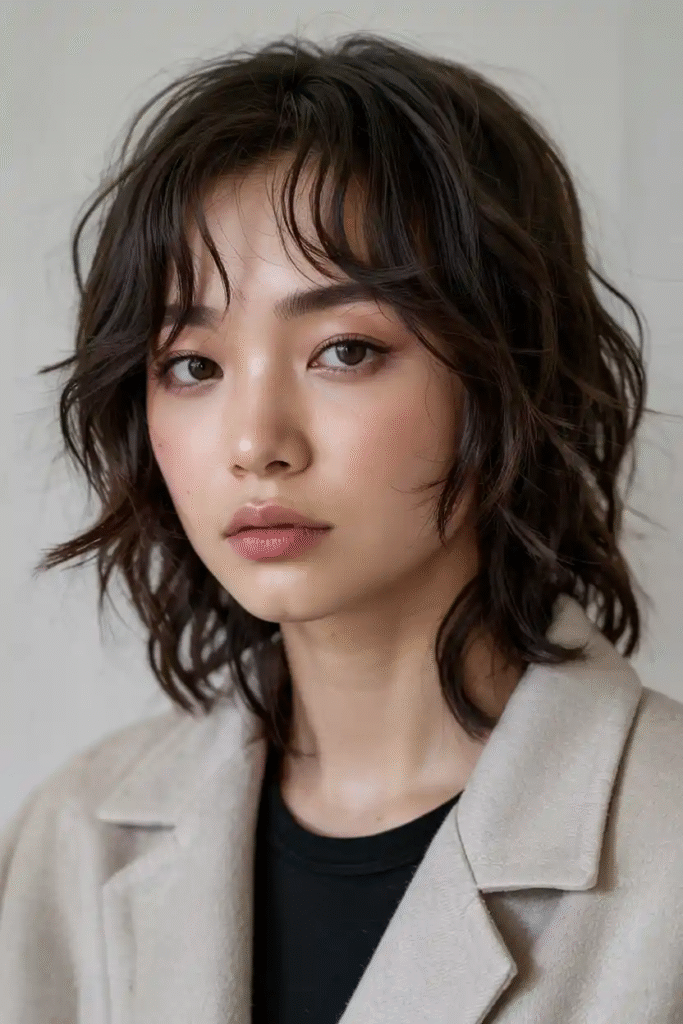
For those wanting a more modern, edgy look, choppy Korean bangs provide texture without looking too blunt.
What You Need Before Cutting Korean Bangs
To achieve a clean and even result, make sure you have the right tools:
- Haircutting scissors (avoid kitchen scissors!)
- Fine-tooth comb
- Sectioning clips
- Spray bottle filled with water
- Round brush or small flat brush
- Blow dryer
If you’re new to DIY cutting, you may find it helpful to read our beginner-friendly guide on how to cut bangs at home for additional safety tips.
How to Cut Bangs Korean Style (Step-by-Step Guide)
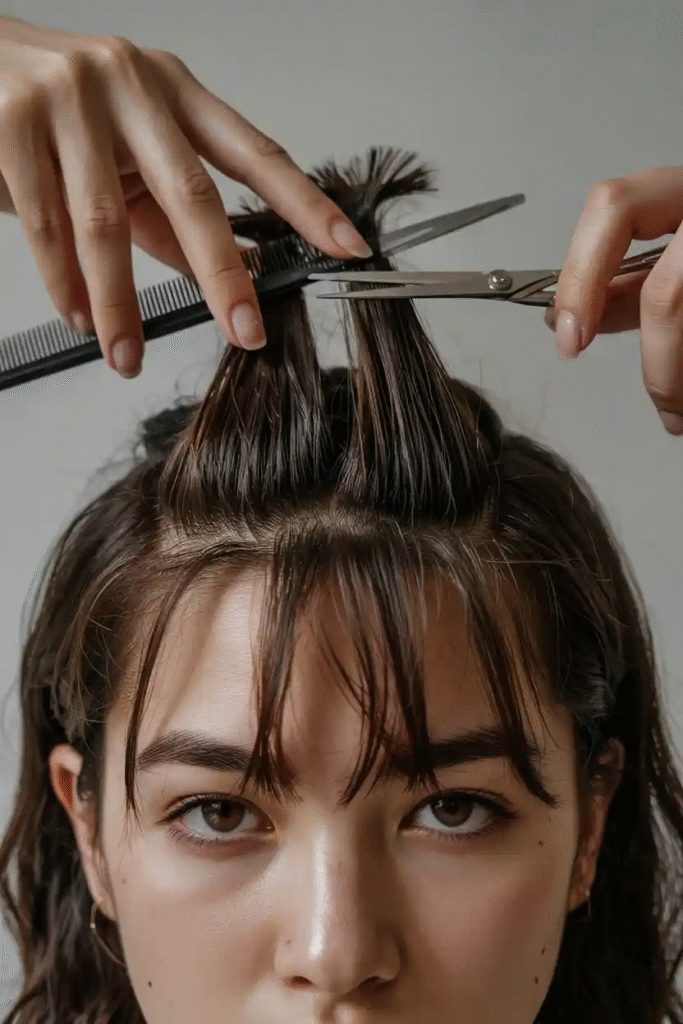
Now let’s dive into the main process. This method ensures you achieve lightweight, airy, and flattering Korean bangs—even if you’re not a professional.
Step 1: Start With Dry or Slightly Damp Hair
Korean bangs are typically cut on dry hair to avoid unexpected shrinkage. If your hair is curly or wavy, consider straightening it first to get a more accurate cut. For curly-haired readers, our specialised guide on how to cut bangs for curly hair will be incredibly useful.
Step 2: Create a Small Triangular Section
Form a triangle starting from your temples meeting at the center of your head. Keep the triangle small—Korean bangs are meant to look light, not thick.
Step 3: Decide the Length
Most Korean bangs fall between the eyelashes and the bridge of the nose. Start longer than you think you need. You can always cut more, but you can’t add length back.
Step 4: Point Cutting Technique
Hold the hair between your fingers and cut upwards (not straight across) to create a feathered, airy texture. This is the signature technique behind Korean bangs.
Step 5: Add Longer Side Pieces
To create that softly curved, face-framing Korean look, take small side sections from each side and cut them slightly longer than the middle section. These will blend beautifully into your hairstyle.
Step 6: Refine and Thin Out
Air bangs should be light and wispy. Use point cutting to thin out any heavy areas.
Step 7: Style With a Blow Dryer
Use a round brush to curl the bangs slightly inward while blow-drying. This creates that natural Korean swoop.
Tips for Maintaining Korean-Style Bangs

Once your bangs are cut perfectly, you’ll want to maintain them. Here’s how:
1. Trim Every 2–3 Weeks
Because Korean bangs are thin and wispy, even a little growth changes their look. Trimming regularly keeps them fresh.
2. Avoid Oily Products on the Forehead
Oils can weigh down bangs or make them separate.
3. Blow Dry After Showering
Korean bangs need shaping—air drying can cause them to fall flat or stick out.
4. Use Lightweight Setting Sprays
Opt for airy hold sprays to maintain softness without stiffness.
If you’re trying to grow the rest of your hair while maintaining bangs, our article on how to grow your hair faster naturally provides helpful natural remedies.
Styling Ideas for Korean Bangs
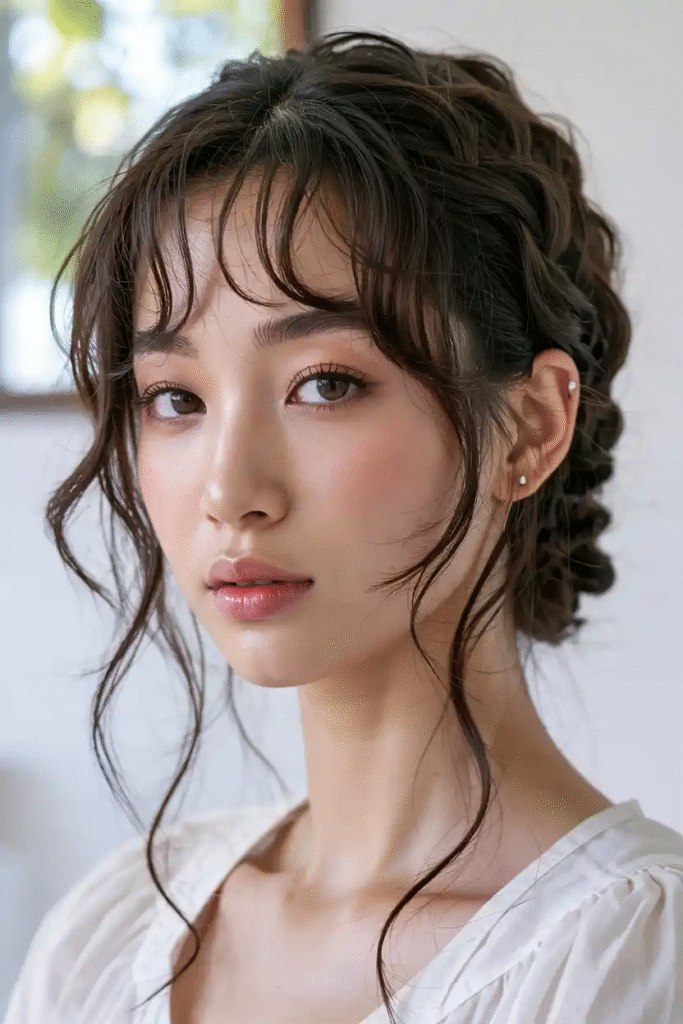
Korean bangs are incredibly versatile. Here are some top styling ideas to recreate K-beauty looks at home:
1. Soft K-Drama Waves
Pair Korean bangs with loose waves for a romantic, elegant style.
2. Low Messy Bun With Air Bangs
Effortless and chic—perfect for everyday wear. For bun ideas, explore bun hairstyles for long hair.
3. High Ponytail With Wispy Fringe
Ideal for a sporty yet feminine vibe.
4. Straight, Sleek Korean Look
Flat iron the hair smoothly while keeping bangs soft and airy.
5. Layered Hair With Crescent Bangs
Layers work beautifully with Korean bangs. If you love layered styles, our guide on how to style short hair with layers is packed with inspiration.
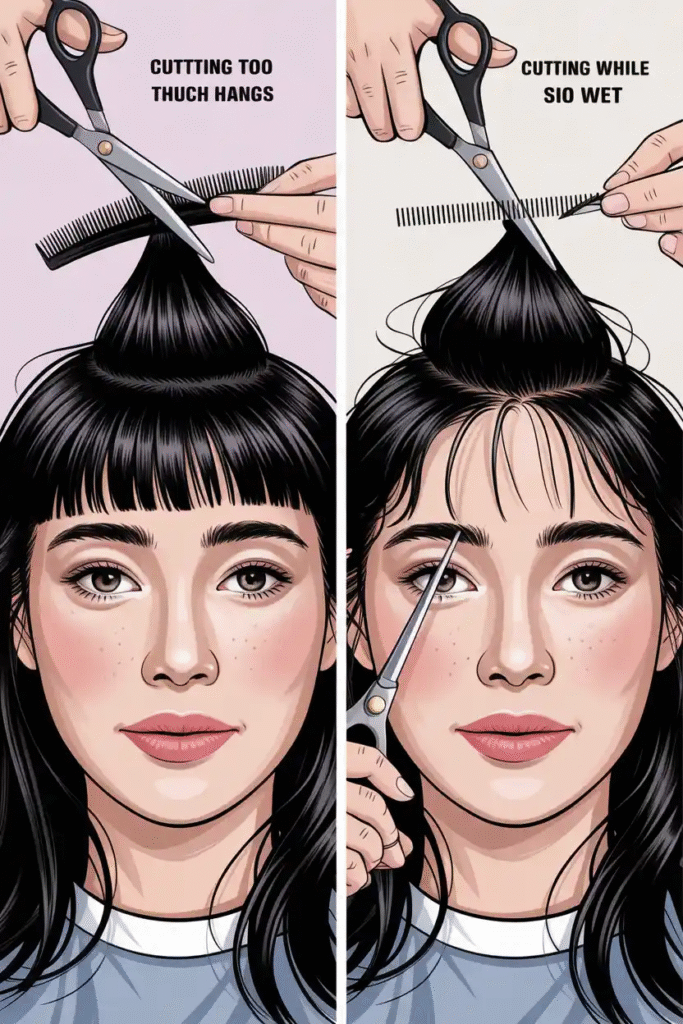
Common Mistakes to Avoid When Cutting Korean Bangs

1. Cutting Too Much Hair
Korean bangs must be light. A thick section will remove the signature airiness.
2. Cutting When Hair Is Too Wet
Wet hair appears longer and can lead to overly short bangs once dry.
3. Using the Wrong Scissors
Kitchen scissors cause split ends and uneven cuts.
4. Cutting Straight Across
Horizontal cuts make bangs blunt and heavy—opposite of the Korean style.
Who Should Avoid Korean Bangs?
While Korean bangs suit many face shapes and hair types, certain situations require caution:
- Very thick hair may require thinning for a lighter look.
- Extremely curly hair can work with Korean bangs, but shaping requires expertise (see our guide on cutting bangs for curly hair mentioned earlier).
- Those with oily foreheads may need extra maintenance.
Korean Bangs for Short Hair vs. Long Hair

Korean bangs offer unique benefits depending on hair length.
For Short Hair
They add softness, movement, and dimension. If you love short hairstyles, explore short hairstyles ideas for more inspiration.
For Long Hair
They reduce the severity of long, straight hairstyles and provide a youthful, effortless glow.
Top Korean Hairstyle Trends to Pair With Bangs
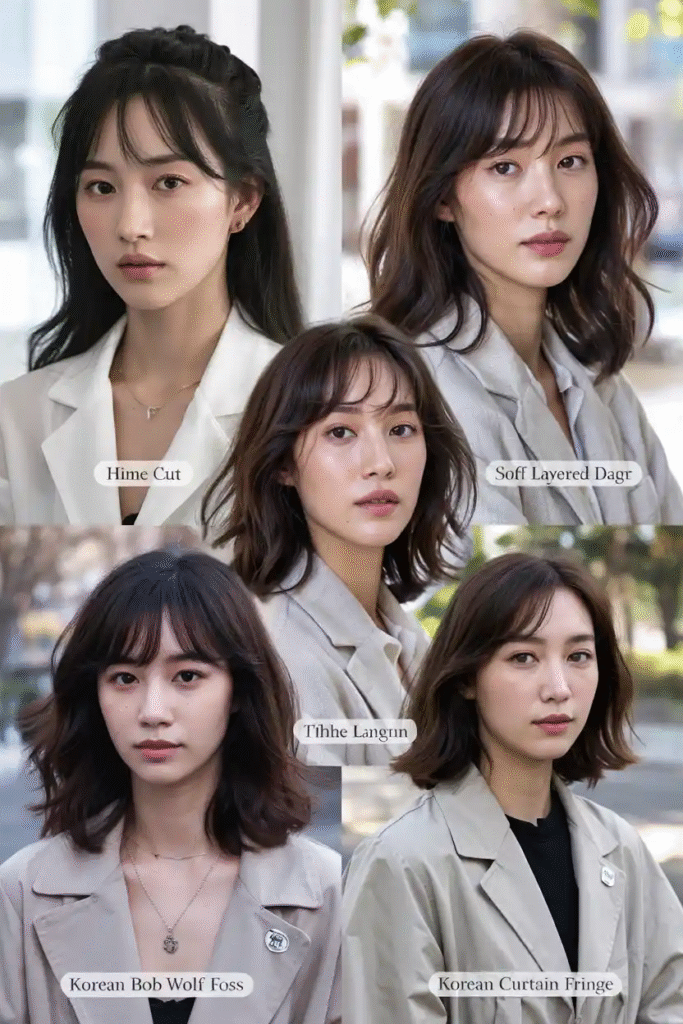
If you want a full Korean-inspired look, consider pairing your new bangs with these trending Korean hairstyles:
1. Hime Cut
A structured yet soft princess-inspired cut.
2. Soft Layered Cut
Adds volume and movement.
3. Wolf Cut (Korean Version)
A softer interpretation of the western wolf cut.
4. Korean Bob With Wispy Fringe
Clean, sharp, and ultra-stylish.
To explore more Korean hairstyle trends for men, you can also look at trendy Korean hairstyles for men.
Final Thoughts: Achieving the Perfect Korean Bangs at Home
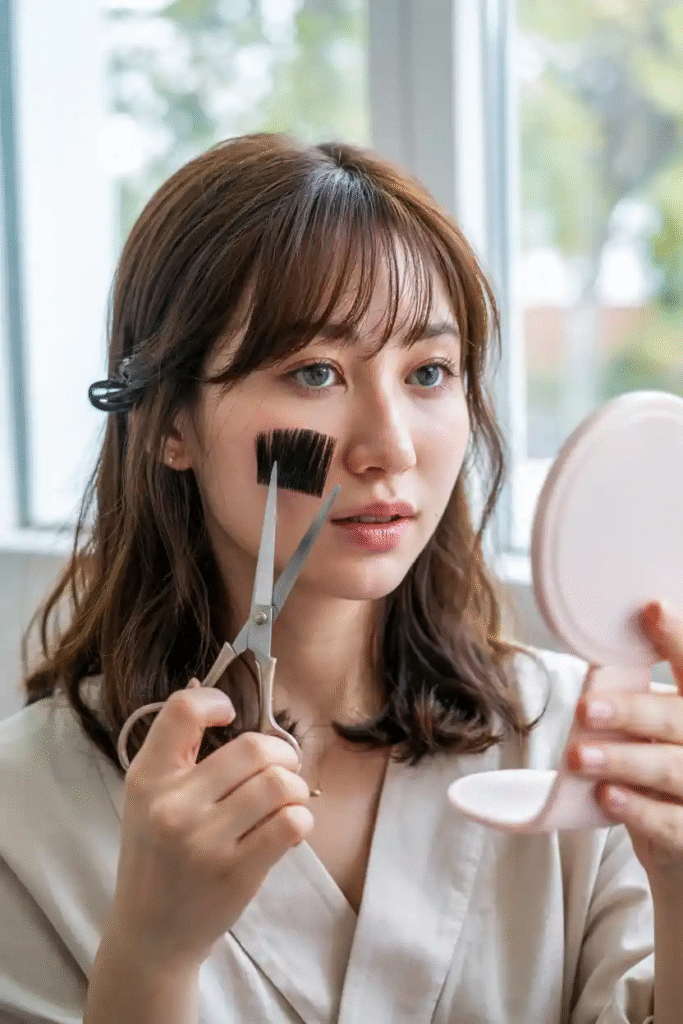
Learning how to cut bangs Korean style is easier than it seems—especially when you understand the structure, length, and airy texture that make Korean bangs so iconic. Whether you prefer soft air bangs, curtain fringes, or crescent Korean bangs, the key lies in lightness, point cutting, and gentle shaping.
With the step-by-step techniques above and inspiration from Korean trends, you can create a soft, flattering look that enhances your natural beauty. And if you’re exploring additional hairstyle ideas, remember that your haircut journey doesn’t end here. From growth tips to styling tutorials, the PixieCut blog has everything you need to continue your hair transformation.