How to Look Pretty in Pictures: Simple, Real-Life Tips That Actually Work

Have you ever looked at a photo of yourself and thought, “That’s not how I look in real life”? You’re not alone. Many people feel photogenic isn’t something they’re born with—but the truth is, looking pretty in pictures is a skill, not luck. With the right preparation, angles, and mindset, anyone can look confident, natural, and beautiful in photos.
This guide is written for everyday people—students, professionals, content creators, and anyone who wants to feel good about how they look on camera. Let’s break down how to look pretty in pictures in a realistic, pressure-free way.
How to Look Pretty in Pictures Starts With Confidence

Before we talk about poses, lighting, or filters, let’s start with the most important factor: confidence. Cameras pick up energy. When you’re tense or overly focused on how you look, it shows in your posture and facial expressions.
Confidence doesn’t mean being loud or dramatic—it means being comfortable. If you’re still working on that, focusing on overall self-care and natural beauty can help. You might find inspiration in this guide on how to look pretty naturally, which emphasises enhancing what you already have rather than changing yourself.
A calm mind leads to relaxed shoulders, softer facial expressions, and better photos.
Prepare Your Skin for Camera-Ready Results

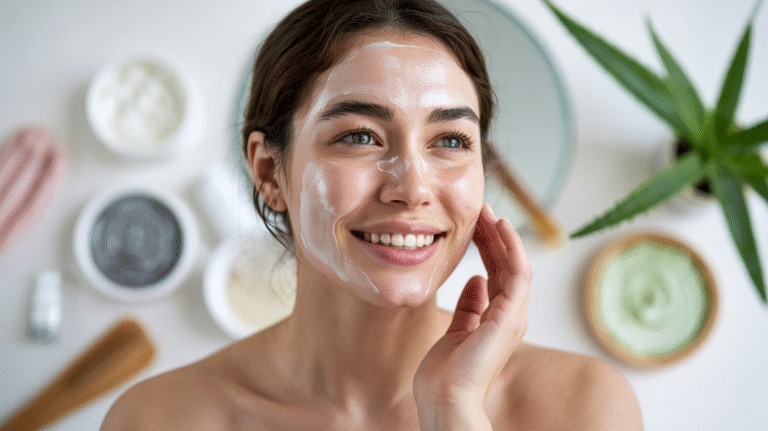
Good photos often start before the camera comes out. Skin texture and glow play a major role in how light reflects on your face.
Simple Skin Prep Tips
- Cleanse and moisturise your skin a few hours before photos
- Use a lightweight moisturiser for a natural glow
- Blot excess oil rather than layering heavy powder
If skin concerns like acne or dullness make you feel less confident, working on a routine can make a huge difference over time. Helpful resources include:
Clear, healthy-looking skin reduces the need for heavy editing and helps you look more natural in pictures.
Natural Makeup Looks Better in Photos

One of the biggest mistakes people make is wearing too much makeup for photos. Cameras—especially phone cameras—can exaggerate heavy foundation and harsh contour.
Camera-Friendly Makeup Tips
- Use light coverage foundation or BB cream
- Blend well, especially around the jawline
- Slight blush adds life to the face
- Fill brows softly—avoid overly dark shapes
- Lip balm or natural lipstick photographs better than matte lips
If you prefer minimal makeup or none at all, you’ll love this guide on how to look pretty without makeup. Natural features often look more timeless and flattering on camera.
Choose the Right Lighting (It Matters More Than You Think)

Lighting can make or break a photo. Even professional cameras can’t fix bad light.
Best Lighting for Pictures
- Face natural light (windows are perfect)
- Avoid overhead lighting—it creates shadows
- Golden hour (early morning or sunset) is ideal
- If indoors, stand near a window at a slight angle
Soft light smooths features, brightens eyes, and reduces shadows—making it one of the easiest ways to instantly improve photos.
Find Your Best Angle (Everyone Has One)

The camera doesn’t see faces the way mirrors do. That’s why angles matter.
Flattering Angle Tips
- Slightly tilt your head instead of keeping it straight
- Position the camera slightly above eye level
- Turn your body at a 45-degree angle instead of facing forward
- Push your chin slightly forward and down (it feels odd but works)
Practise in front of a mirror or take test photos to see what works best for you. This alone can dramatically change how you look in pictures.
Relax Your Face for Natural Expressions

Forced smiles are easy to spot. The prettiest photos usually capture relaxed expressions.
How to Look Natural on Camera
- Take a breath before the photo
- Think of something pleasant or funny
- Smile with your eyes, not just your mouth
- Don’t hold your breath—exhale gently
A relaxed face looks softer, kinder, and more confident.
Wear Colours and Outfits That Photograph Well

What you wear affects how your skin tone and features appear on camera.
Outfit Tips for Better Pictures
- Solid colours photograph better than busy prints
- Avoid neon colours and harsh whites
- Soft pastels and earth tones work beautifully
- Wear clothes that fit comfortably—not too tight
If you’re taking photos for school, events, or everyday use, this article on how to look pretty for school offers practical styling advice that also works well for pictures.
Posture Makes You Instantly Look Better

Slouching is one of the most common photo mistakes—and one of the easiest to fix.
Good Posture Tips
- Roll your shoulders back gently
- Keep your neck long
- Shift weight onto one leg when standing
- Sit tall without stiffness
Good posture not only improves your appearance but also boosts confidence, which shows in photos.
Hands, Body Language, and Small Details

Awkward hands can ruin an otherwise great photo. Giving them purpose helps.
Easy Hand Placement Ideas
- Lightly touch your hair or face
- Place one hand on your waist
- Hold a prop (bag, book, coffee cup)
- Keep fingers relaxed, not clenched
Small movements make photos feel candid and natural rather than posed.
Stop Comparing Yourself to Edited Images
Social media has set unrealistic standards. Most viral photos are:
- Taken in perfect lighting
- Shot from dozens of angles
- Edited heavily
Remember, your goal isn’t perfection—it’s authenticity. Real beauty translates best on camera when you’re being yourself.
If you focus on health, grooming, and self-care—like following consistent skin routines from guides such as how to get clear skin tips—your photos will naturally improve over time.
Practise Makes You Photogenic

Being photogenic is not a personality trait—it’s familiarity. The more comfortable you are with a camera, the better your photos will be.
How to Practise
- Take selfies in different lighting
- Experiment with angles and expressions
- Record short videos to observe your movements
- Don’t delete every “bad” photo—learn from them
Confidence grows with exposure.
Final Thoughts: How to Look Pretty in Pictures Is About Feeling Good
At its core, learning how to look pretty in pictures isn’t about tricks—it’s about feeling comfortable, prepared, and confident. When you take care of your skin, choose flattering light, relax your body, and stop judging yourself harshly, the camera becomes a tool—not a threat.